Ependymal cells are specialized cells lining the ventricles of the brain. Ependymal cell dysfunction
contributes to hydrocephalus. Hydrocephalus is a neurological disorder caused by excessive
cerebrospinal fluid (CSF) buildup in the brain. Current treatments rely on neurosurgical interventions,
which carries significant risks and failure rates. We have identified key genes that drive specification
and generation of ependymal cells and demonstrated their role in hydrocephalus using genetically
modified animal models.
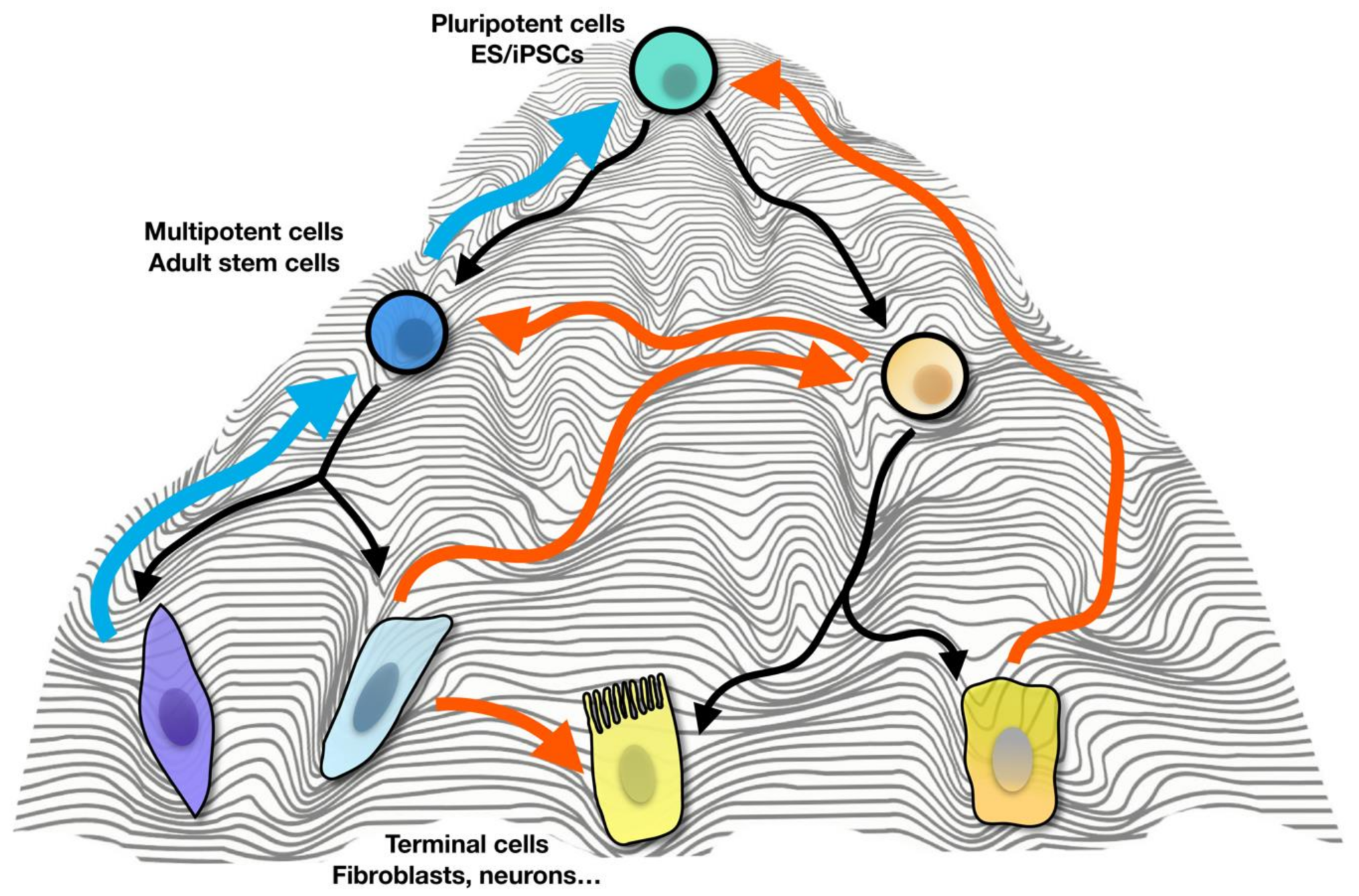
Building on this knowledge, we have shown two genes that can reprogram various cell types into
functional ependymal cells, both ex vivo and in vivo and improve neurogenic niche structure in animal
models of hydrocephalus. Our work points toward a promising new therapeutic direction for
hydrocephalus by repairing or replacing damaged ependymal cells. Our long-term goal is to develop
new, clinically relevant treatments for hydrocephalus.